
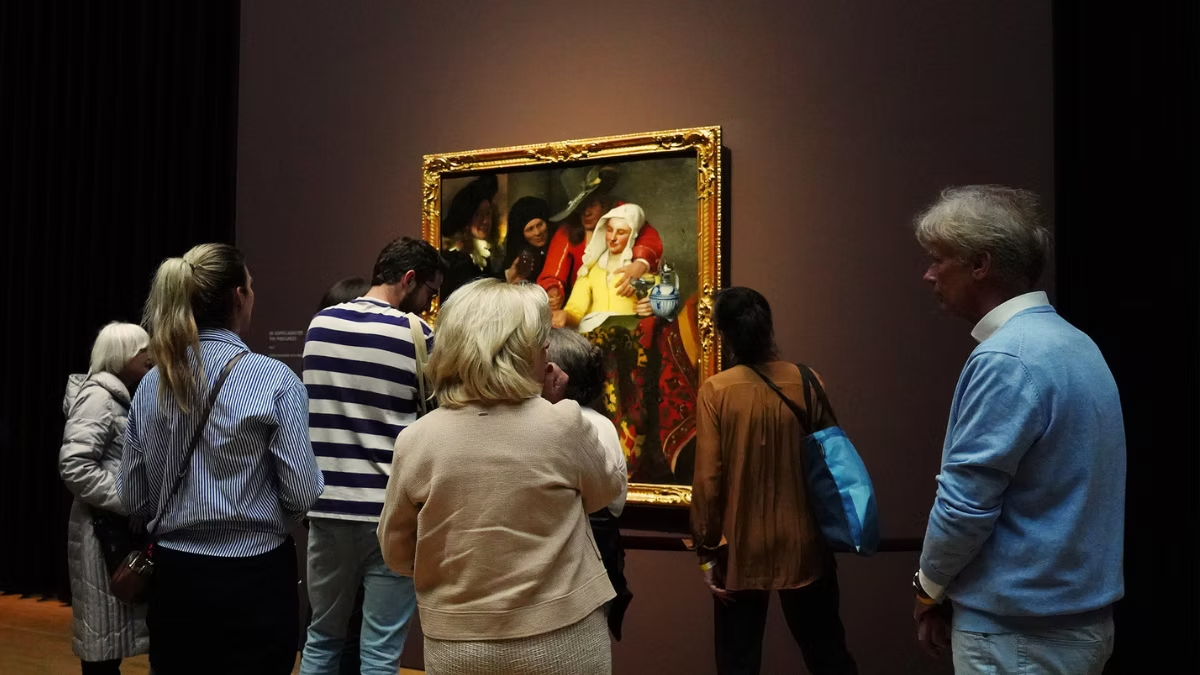
What to See at the Rijksmuseum
The Rijksmuseum houses some of the world’s most iconic artworks. Discover the must-see highlights, the famous paintings you can’t miss, and how to prioritize your time to see what matters most.
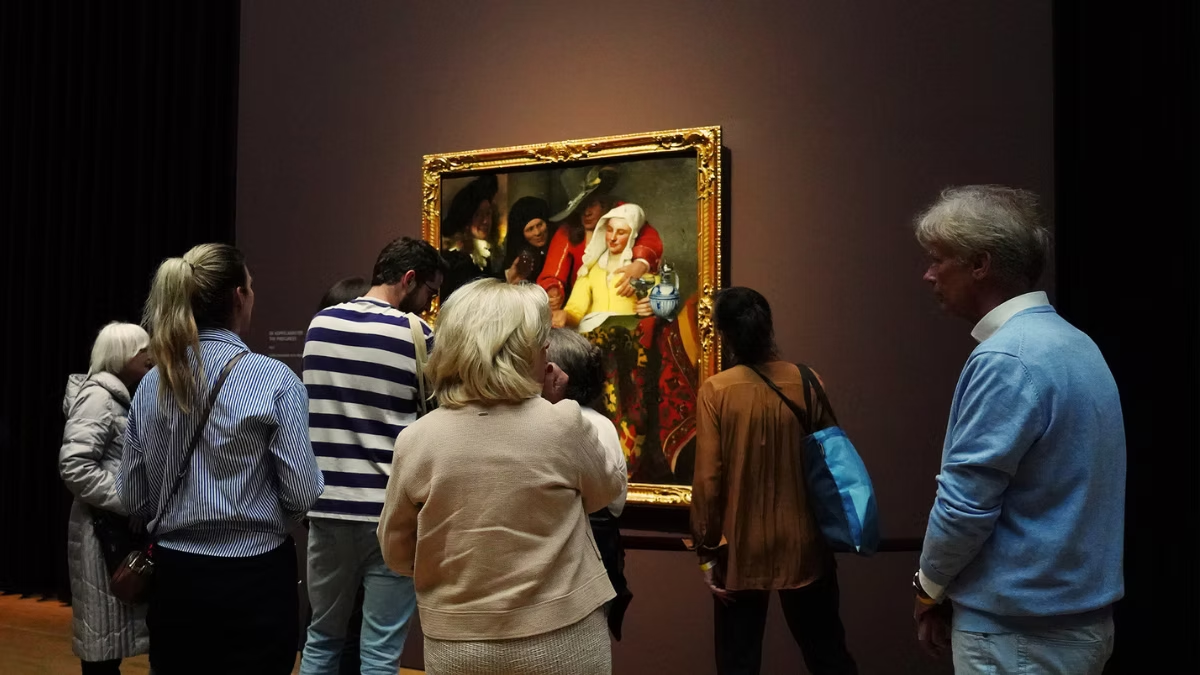
Top Highlights at the Rijksmuseum
The headline sights and experiences most visitors want to see first.
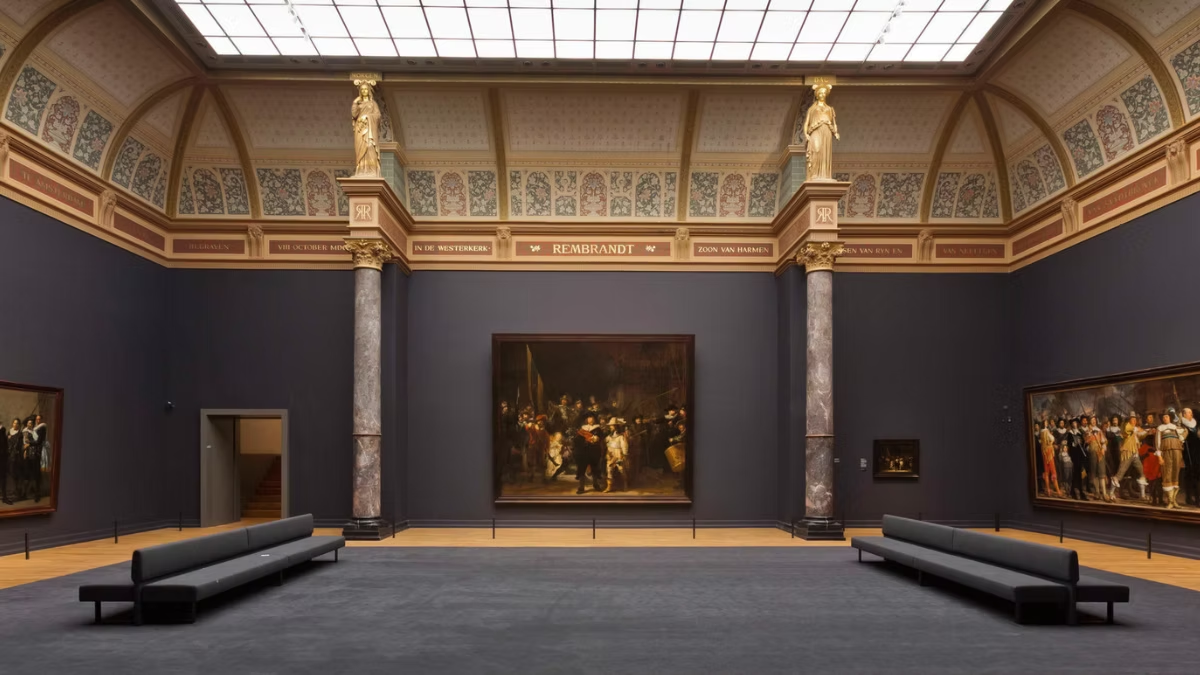
Rembrandt’s The Night Watch
Rembrandt’s The Night Watch dominates its own purpose-built hall at the end of the Gallery of Honour — a 3.63 by 4.37 metre militia portrait that stops you in your tracks. It’s the single most important Dutch painting in existence, and right now you may catch conservators working on it live during Operation Night Watch, the largest restoration study the painting has ever undergone. Head straight to Floor 2 and arrive early; the room draws every visitor in the building.
Explore →
The Milkmaid by Vermeer
Encounter one of the world’s most famous Dutch Golden Age paintings—a small 45×41cm masterpiece showing a servant pouring milk in a sunlit kitchen. One of only 34 known Vermeer works.
Explore →Masterpieces at the Rijksmuseum
Iconic individual works and an introduction to Dutch Golden Age painting.
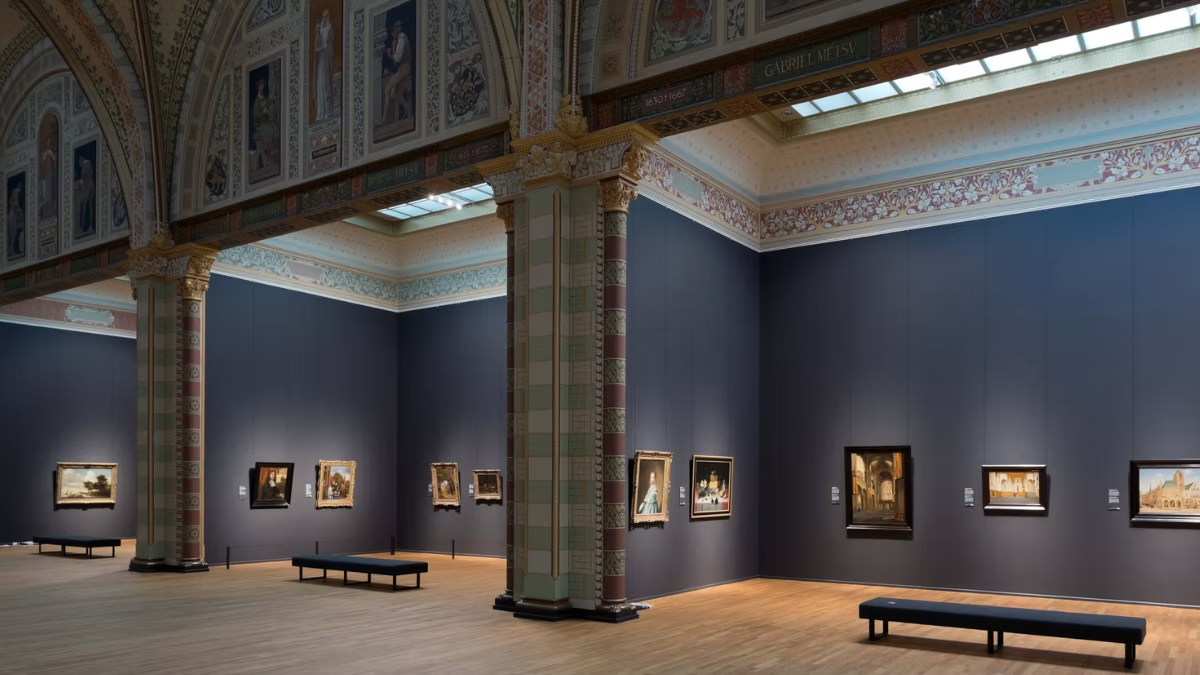
Four Vermeer Masterpieces
See four masterpieces by Vermeer — one of only two museums worldwide with this many works, including The Milkmaid and The Little Street.
Read guide →
Rembrandt Self-Portraits Collection
Discover Rembrandt’s self-portraits spanning 40 years — a visual autobiography from youth to maturity, with masterpieces displayed throughout the museum.
Read guide →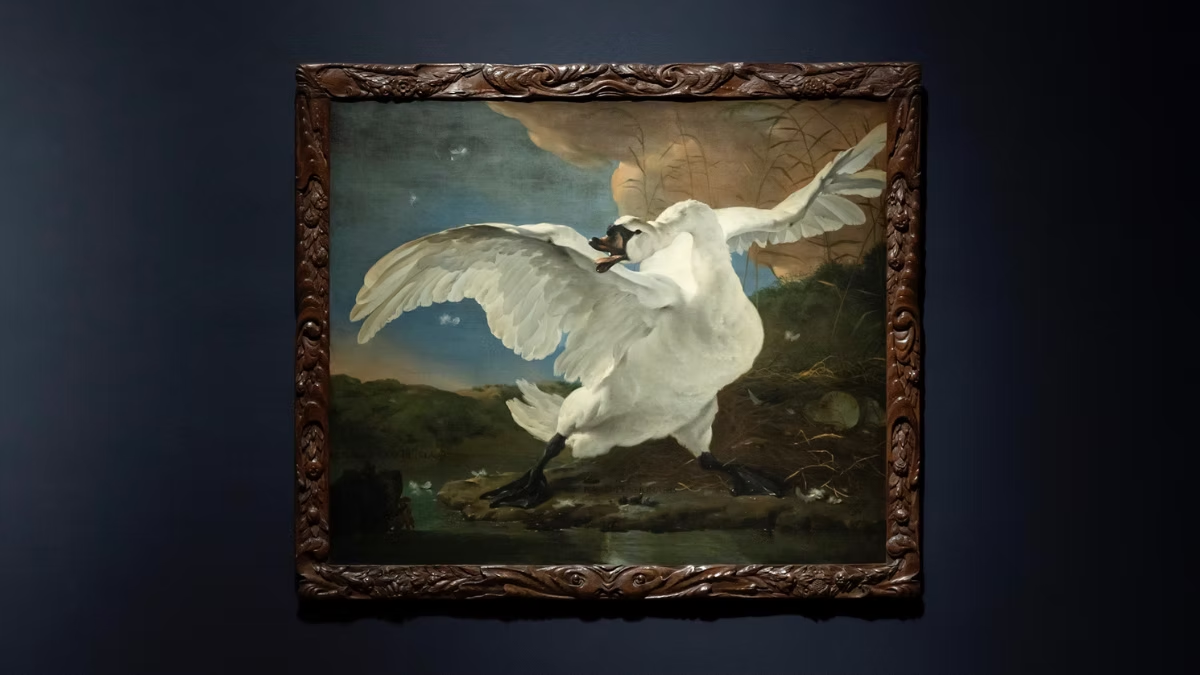
The Threatened Swan
A visually striking 1650 painting of a swan defending its nest — originally a nature scene, later reinterpreted as political allegory.
Read guide →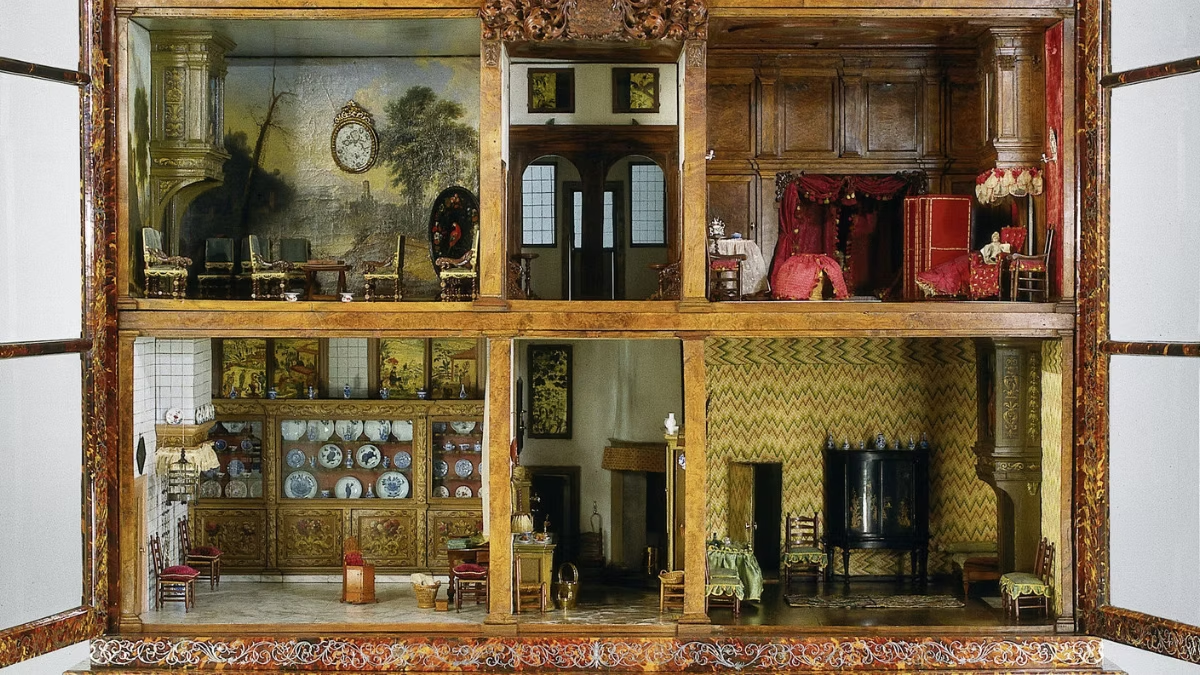
Petronella Oortman’s Dolls’ House Cabinet
Admire a three-metre-tall 17th-century miniature replica of an Amsterdam canal house, built over 24 years and worth as much as a real grand house. Every tiny object inside is custom-made by master craftspeople.
Read guide →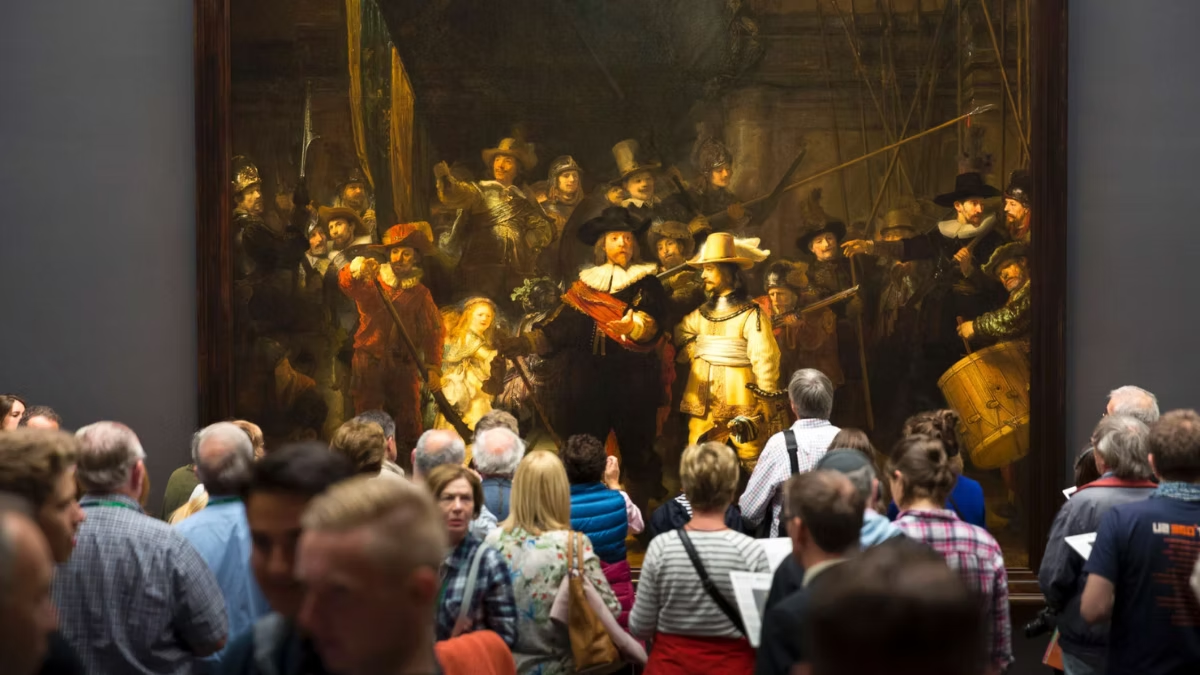
Complete Rembrandt Collection
The Rijksmuseum holds 22 authenticated Rembrandt paintings — the world’s largest collection, featuring masterpieces like The Night Watch, The Jewish Bride, and The Syndics.
Read guide →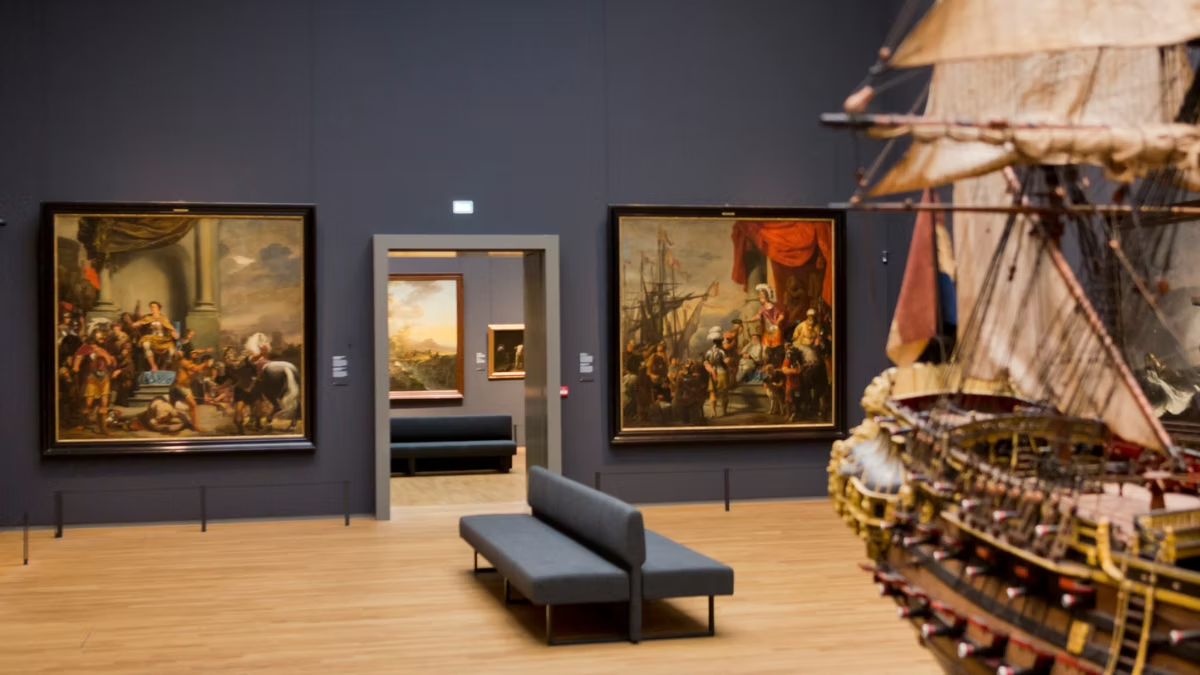
Dutch Golden Age Painting Beginner Guide
Learn why the Dutch Republic produced an astounding 5-10 million paintings per capita during 1600-1700. Master the era’s giants—Rembrandt, Vermeer, and Frans Hals—through iconic Rijksmuseum examples.
Read guide →
Battle of Waterloo Painting by Pieneman
See one of the Rijksmuseum’s largest paintings (567×823cm) depicting the decisive 1815 battle moment. Pieneman’s monumental 1824 masterpiece hangs in its own dedicated gallery on Floor 1.
Read guide →Explore the Rijksmuseum
The building, gardens, library, and Asian Pavilion beyond the main galleries.
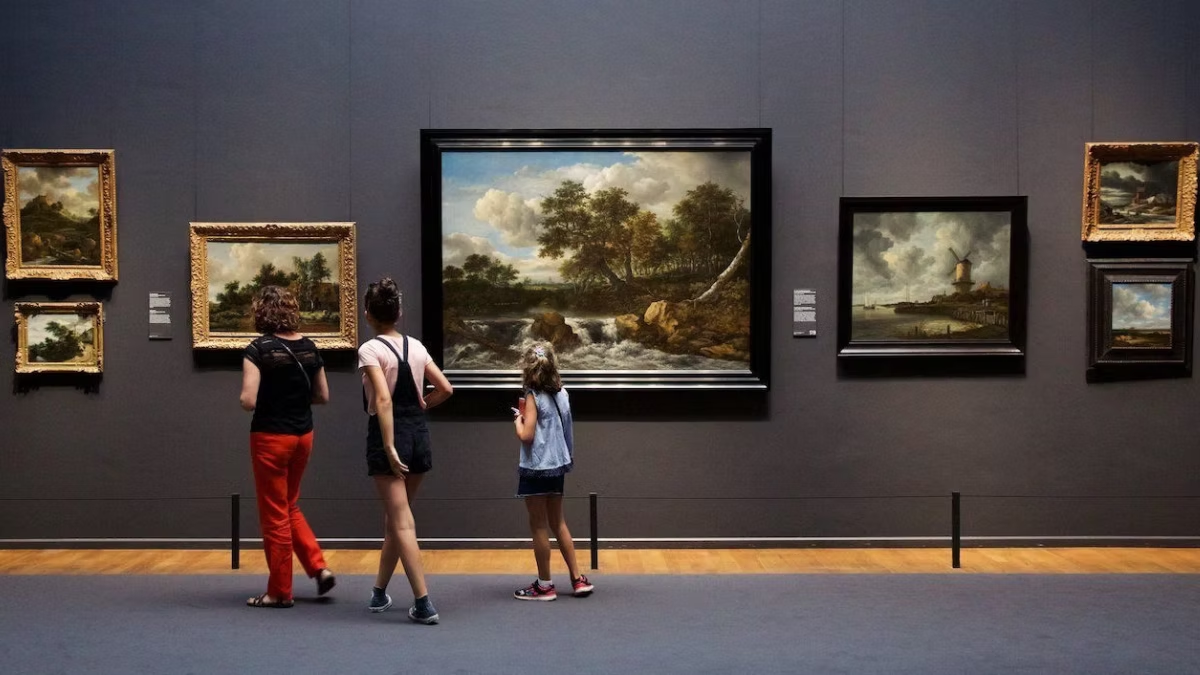
2-Hour Self-Guided Museum Route
This optimised 2-hour route takes you through every essential Rijksmuseum gallery in the smartest order — starting on Floor 2’s Gallery of Honour when it’s near-empty at opening, moving through the Night Watch Room before tour groups arrive, then looping into the quieter side galleries and Cuypers Library viewing gallery as crowds build behind you. It covers 12–14 major works including Vermeer, Rembrandt, and the Dutch Golden Age masters without backtracking. Ideal for visitors with limited time who want to see everything that matters, not just stumble through.
Read guide →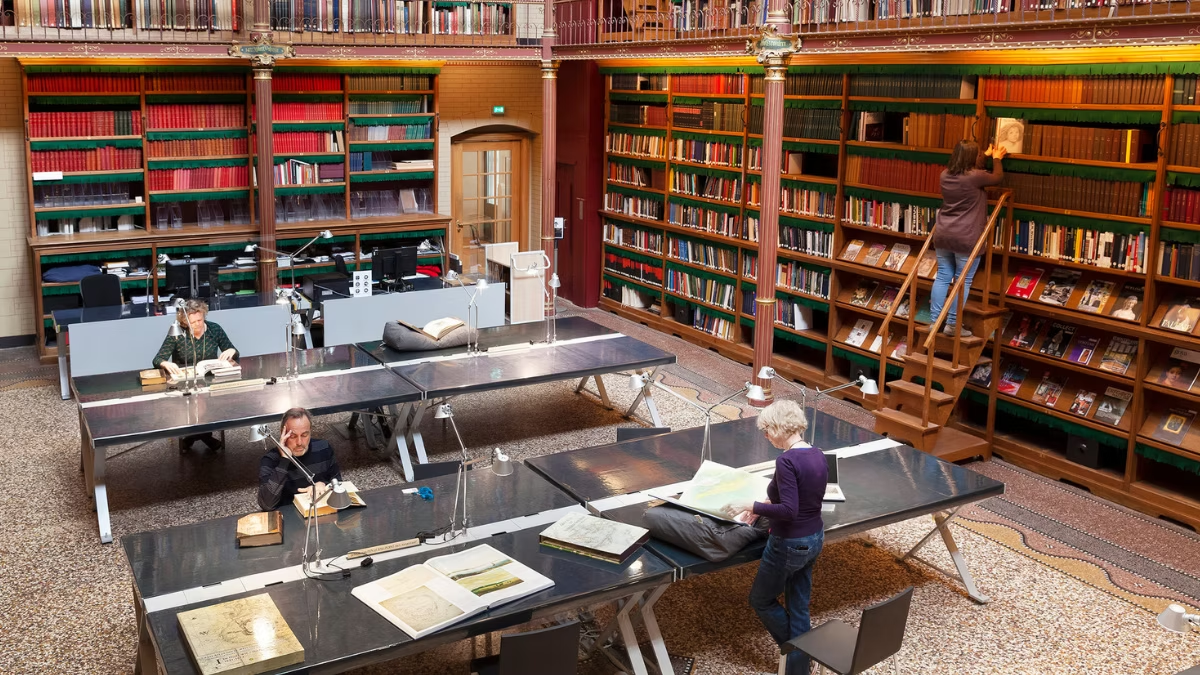
Cuypers Library Historic Reading Room
Marvel at the Rijksmuseum’s ornate 1885 research library with cast-iron spiral staircases, leather-bound collections, and photogenic wooden shelving—one of Amsterdam’s most beautiful interior spaces.
Read guide →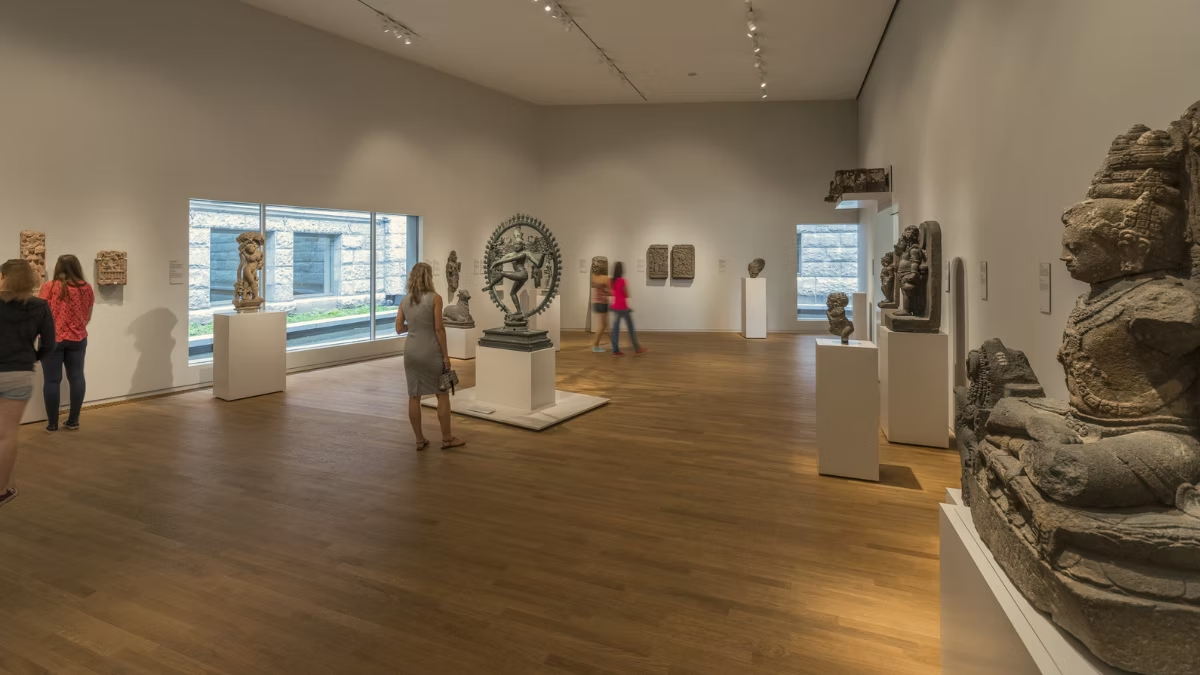
Asian Pavilion Collection & Highlights
Explore the Rijksmuseum’s separate 2013 Asian art wing featuring 365 objects including Chinese ceramics, Japanese armour, and Indonesian bronzes across a stunning standalone building.
Read guide →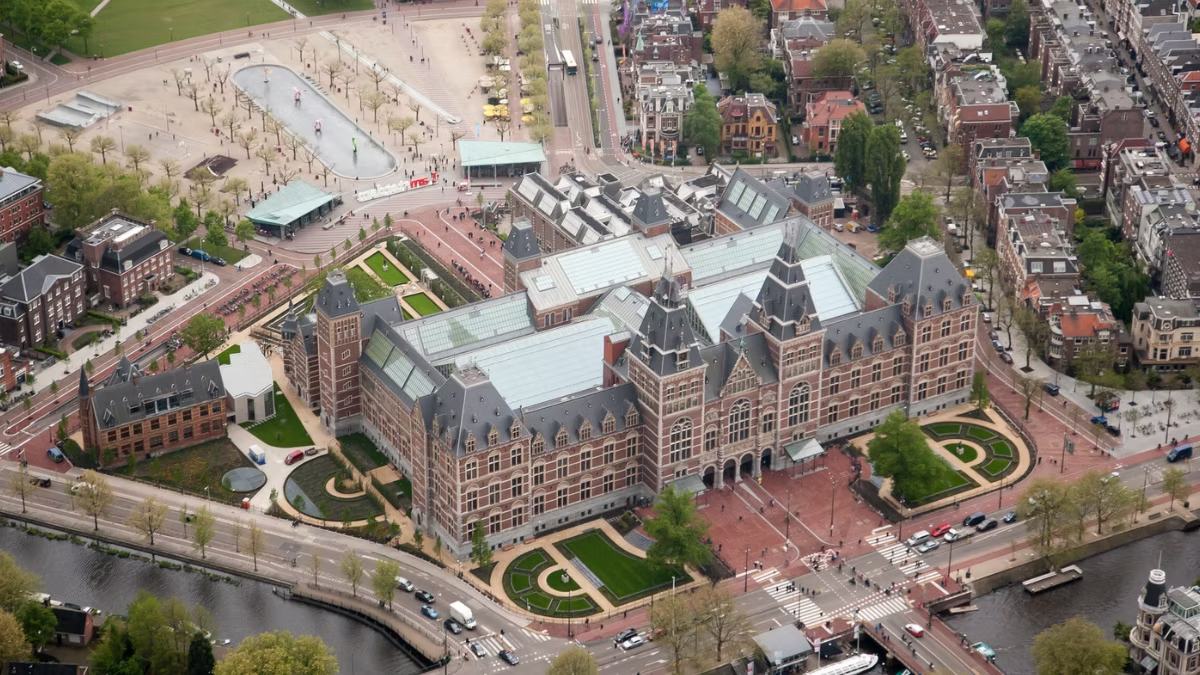
Rijksmuseum Building Architecture & Design
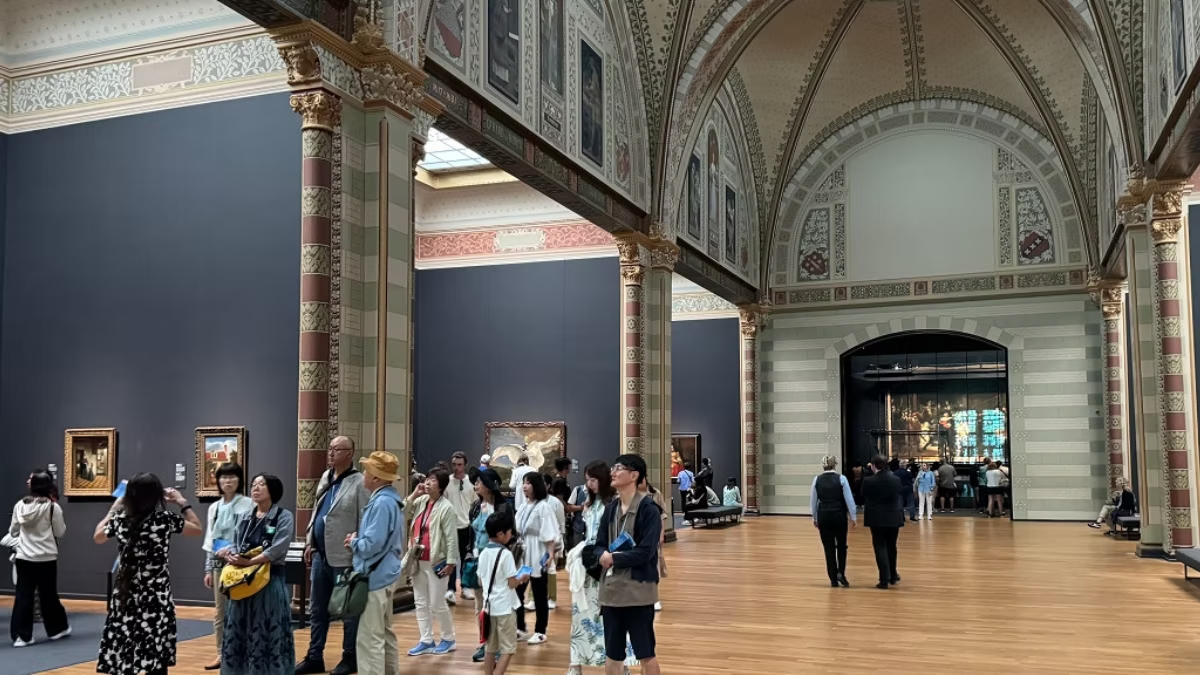
Explore the 1885 neo-Gothic/neo-Renaissance landmark designed by Pierre Cuypers, featuring stained glass, mosaics, sculptures, and ornament inspired by medieval cathedrals. The Gallery of Honour is laid out like a cathedral nave.
Read guide →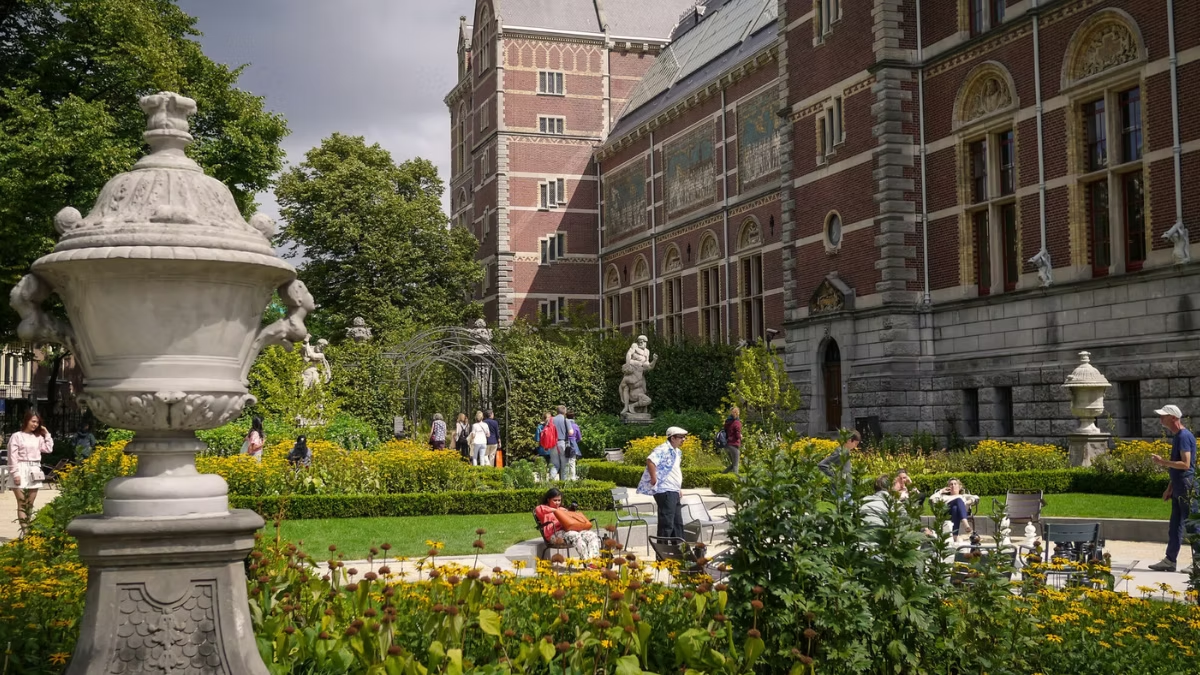
Free Rijksmuseum Sculpture Gardens
Stroll the 14,500 square-metre public gardens surrounding the museum featuring sculptures, historic Dutch architectural fragments, and a recreated 17th-century pavilion. Open daily 09:00-18:00, no ticket required.
Read guide →How to Choose What to See at the Rijksmuseum
A quick guide based on your interests and visit style.
Short on Time
With only an hour or two, skip the overwhelm and zero in on the paintings people travel thousands of miles to see.
- Start in the Gallery of Honour and walk straight to The Night Watch
- Detour one room for Vermeer’s Milkmaid — it’s smaller than you expect, so look closely
- Glance at The Threatened Swan on your way out — 30 seconds that stays with you
First-Time Visitors
Never been to the Rijksmuseum? Ground yourself in the Dutch Golden Age before branching out.
- Read up on why the Dutch painted so much — it makes every room click
- See all 22 Rembrandts in one building — no other museum comes close
- Compare four Vermeers side by side to spot his obsession with light
- Don’t skip the Waterloo painting — at 5×8 metres it’s physically overwhelming
Architecture and Design Lovers
The Rijksmuseum building is itself the largest exhibit — Pierre Cuypers designed every tile, column, and staircase as a total artwork.
- Explore the neo-Gothic building and its 10-year renovation that peeled back a century of whitewash
- Visit the Cuypers Library — the oldest art-history library in the Netherlands, with original iron spirals
- Walk the free sculpture gardens for Cuypers’ façade from the outside
Visiting with Kids
Children don’t need quiet contemplation — they need stories, scale, and the occasional surprise.
- Head straight to Petronella’s Dolls’ House — a three-metre miniature Amsterdam mansion with tiny Delftware
- The sheer size of The Night Watch grabs any age — ask them to find the girl in gold
- The Threatened Swan is dramatic enough to hold a five-year-old’s attention
- End in the free gardens so they can run — sculptures double as a scavenger hunt
Continue Exploring the Rijksmuseum
Book your tickets and plan the practical details of your visit.
Tickets & Tours
Entry tickets, guided tours, and combo deals with other Amsterdam attractions.
Browse tickets and tours →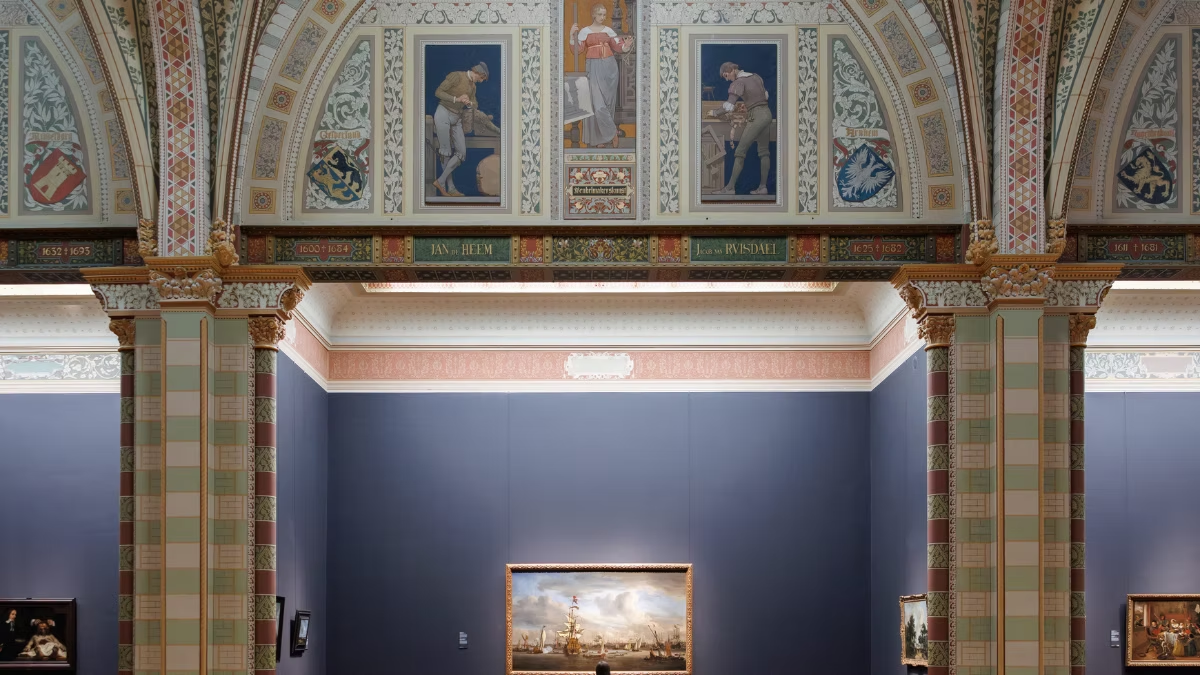
Plan Your Visit
Opening hours, how to get there, best times to visit, and practical information.
Explore planning guides →Frequently Asked Questions
Common questions about what to see and prioritise.